
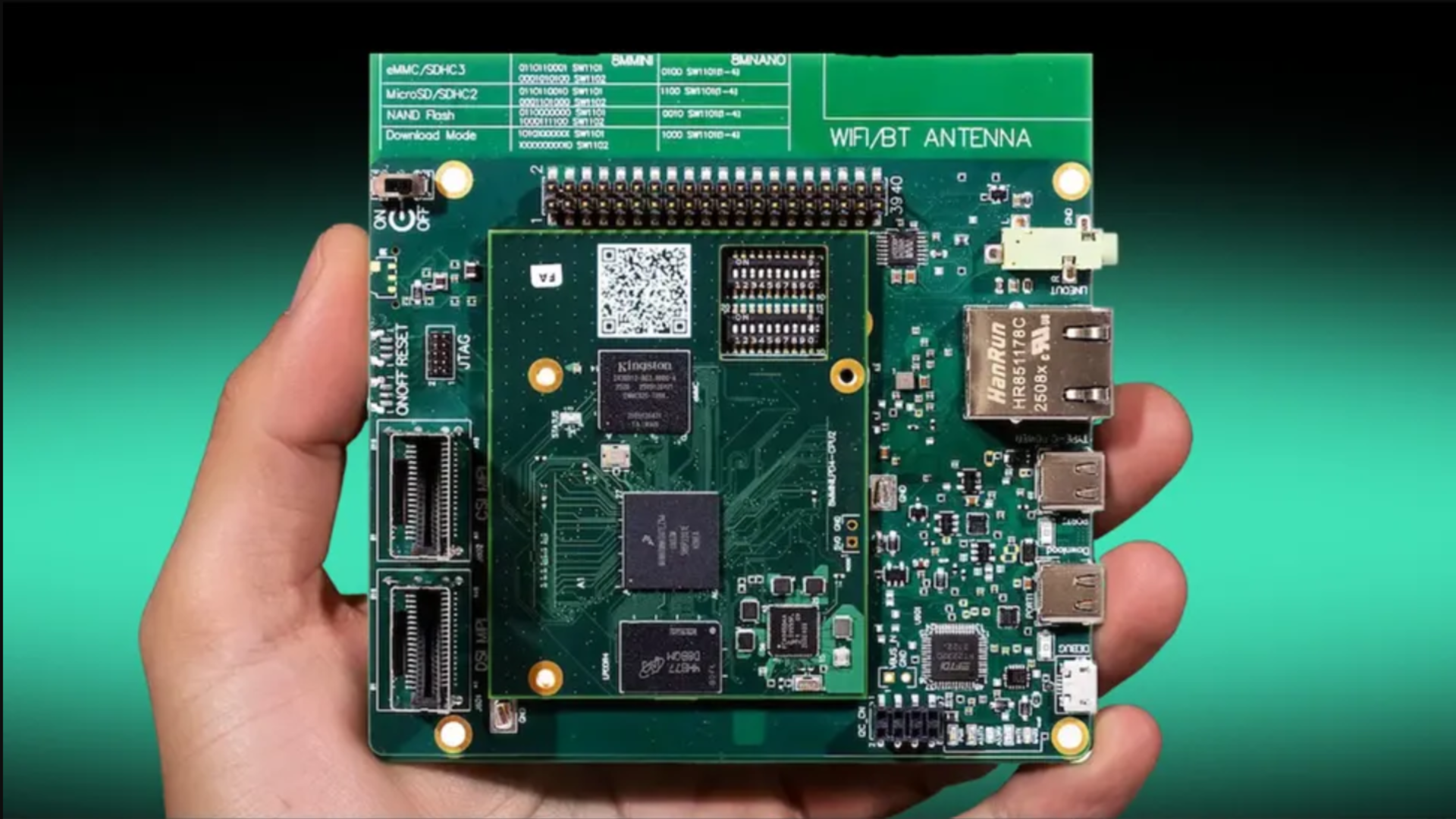
- Quilter’s AI built a dual-PCB Linux computer in only one week
- The system booted Debian on the first attempt with minimal human help
- Engineers spent just 38.5 hours, while AI completed most of the design
Los Angeles-based startup Quilter has unveiled Project Speedrun, a Linux computer built entirely with AI assistance.
The machine includes 843 components across dual PCBs, and the team designed and assembled it in just one week.
Remarkably, the computer booted Debian on its first attempt and required only 38.5 hours of human intervention.
Training for precision, not imitation
The performance of this device contrasts sharply with traditional workflows, which typically require roughly three months of expert human labor to complete a similar project.
The AI handled the iterative design, execution, and cleanup phases that normally bottleneck engineers’ creativity and slow development timelines.
Quilter trained its AI differently from large language models such as GPT-5 or Claude.
Instead of studying human-designed boards, which often include errors, the system learned by optimizing against the physical laws governing circuit design.
This approach prevented human limitations from capping its capabilities.
By focusing on physics-based optimization rather than imitation, the AI proposed novel layouts and component arrangements.
In theory, it surpasses human designers in efficiency and innovation, although engineers still oversaw the process.
Their role shifted to supervision and creative refinement rather than repetitive execution.
By removing manual bottlenecks, engineers can iterate faster and explore more experimental designs.
The traditional three-step workflow of setup, execution, and cleanup often introduces errors during execution, which then require further human correction.
Quilter’s AI removes much of this friction, allowing smaller teams to complete complex workstation designs in a fraction of the usual time.
The result is a project that delivers a fully functional system while reducing human workload, which could lower barriers for startups creating custom mobile workstations and mini PCs.
Quilter’s CEO, Sergiy Nesterenko, envisions a future where AI designs not only match human engineers but can “come up with better designs for circuit boards than humans have ever tried to do.”
Although Quilter’s approach could accelerate innovation, its long-term reliability across more complex systems remains unproven.
Via Tom's Hardware
Follow TechRadar on Google News and add us as a preferred source to get our expert news, reviews, and opinion in your feeds. Make sure to click the Follow button!
And of course you can also follow TechRadar on TikTok for news, reviews, unboxings in video form, and get regular updates from us on WhatsApp too.





 English (US) ·