
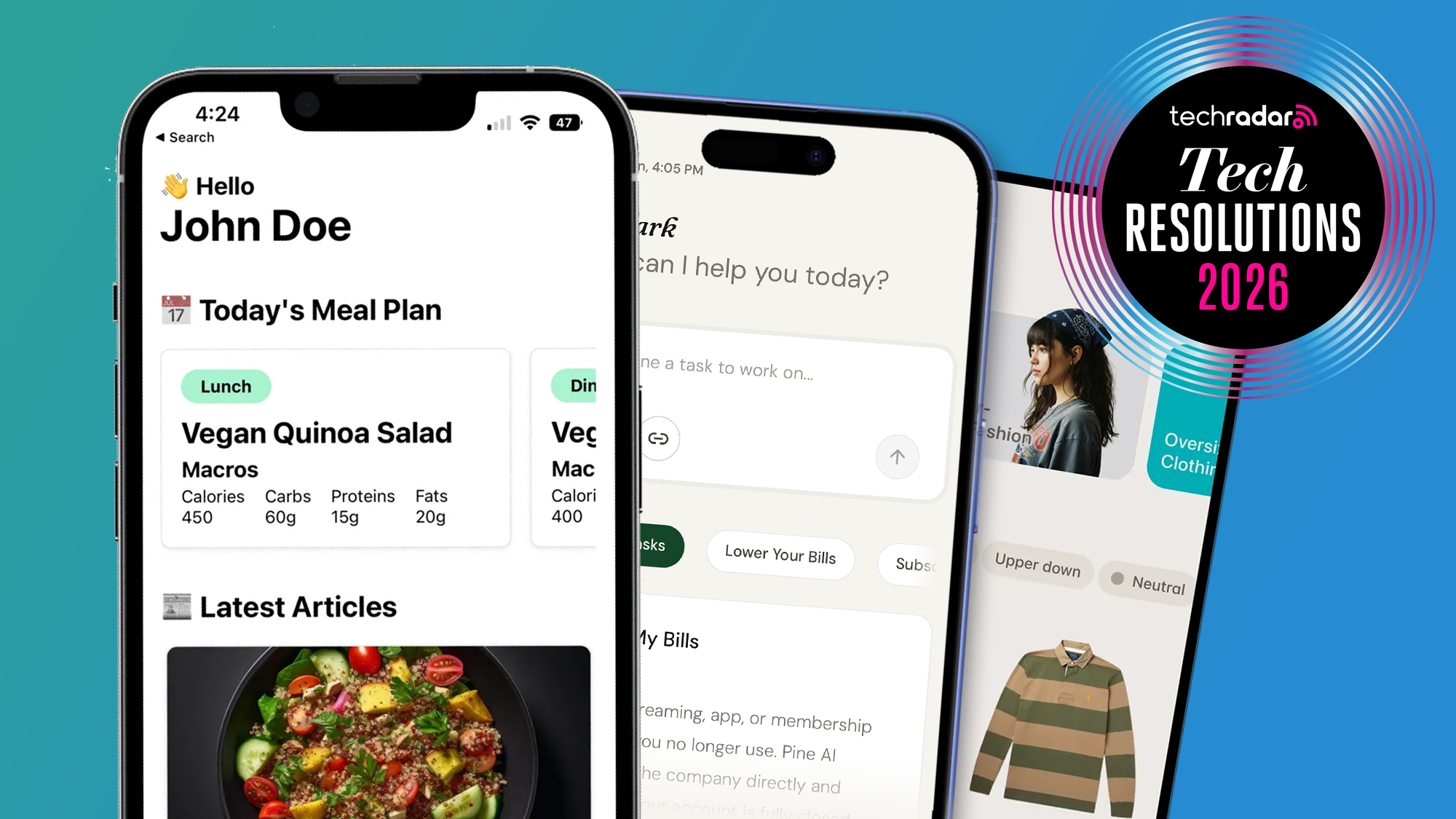
I've tried out an absurd number of AI tools this year both for professional purposes and to satisfy my own curiosity. And while the big-name AI chatbots like ChatGPT, Gemini, and Claude are often the default choice for many people, there are so many other choices out there that are often better for specific tasks.
They may be limited, niche, and even rely on AI models built by OpenAI or Google, but the narrower focus of the tools below often makes it easier to see exactly how they can improve your life in 2026.
You've probably haven't heard of some (or even all) of the AI tools below, but they're all on my favorites list – and they might become your new favorite assistant in 2026.
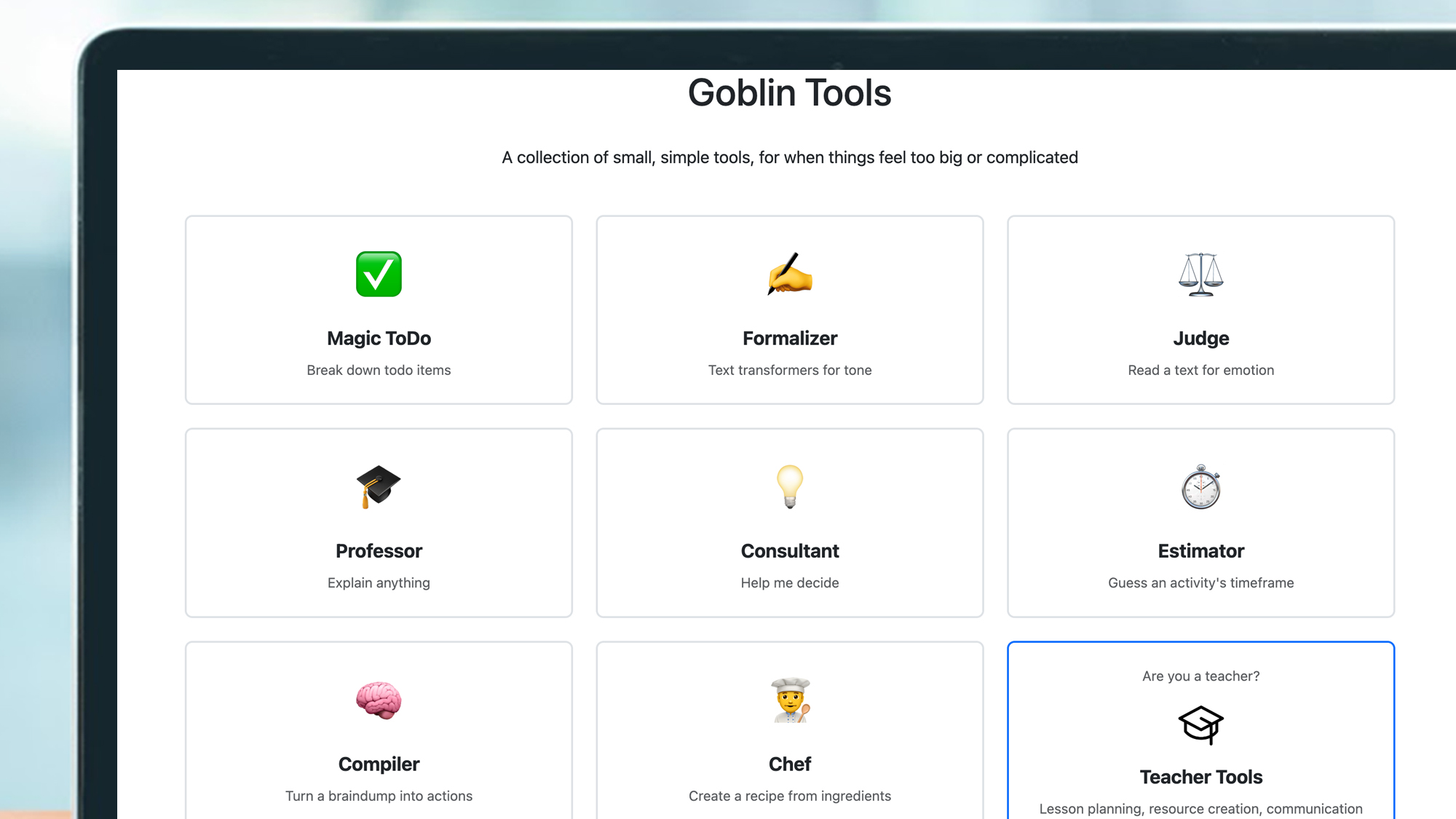
Goblin Tools is great on any day, particularly when I struggle to get my brain in gear. The platform was built for neurodivergent people specifically, but it's useful for anyone feeling overwhelmed.
Goblin Tools uses AI to break down tasks into bite-sized activities. It can turn vague goals into actionable steps, as well as help rewrite messages to better fit the tone you're aiming at, and provide a way of objectively estimating the time a task will realistically take. But what it really offers is a clean interface that doesn’t judge you for asking how long the laundry might take for the fifth time.
The genius of Goblin Tools lies in how directly it serves people dealing with mental overload. It just adapts to whatever version of you is around today. It mimics empathy without sentiment, which is great when pressure makes productivity tough. Goblin Tools is a free service, though if you're going to use it at super high levels, there's a cost. Most won't get near that; however, they do accept donations.
What sets Goblin Tools apart is that it is not trying to replace your entire productivity system. It plays nicely alongside whatever you already use, whether that is a notes app, a task manager, or nothing at all.
Unlike ChatGPT, which can theoretically do all of these things if you prompt it carefully, Goblin Tools packages each function with a built-in context. This one’s a favorite because when I’m stuck, I don’t need a chatbot conversation – I need a tool that makes hard things easier.
- Try Goblin Tools
2. Aesty
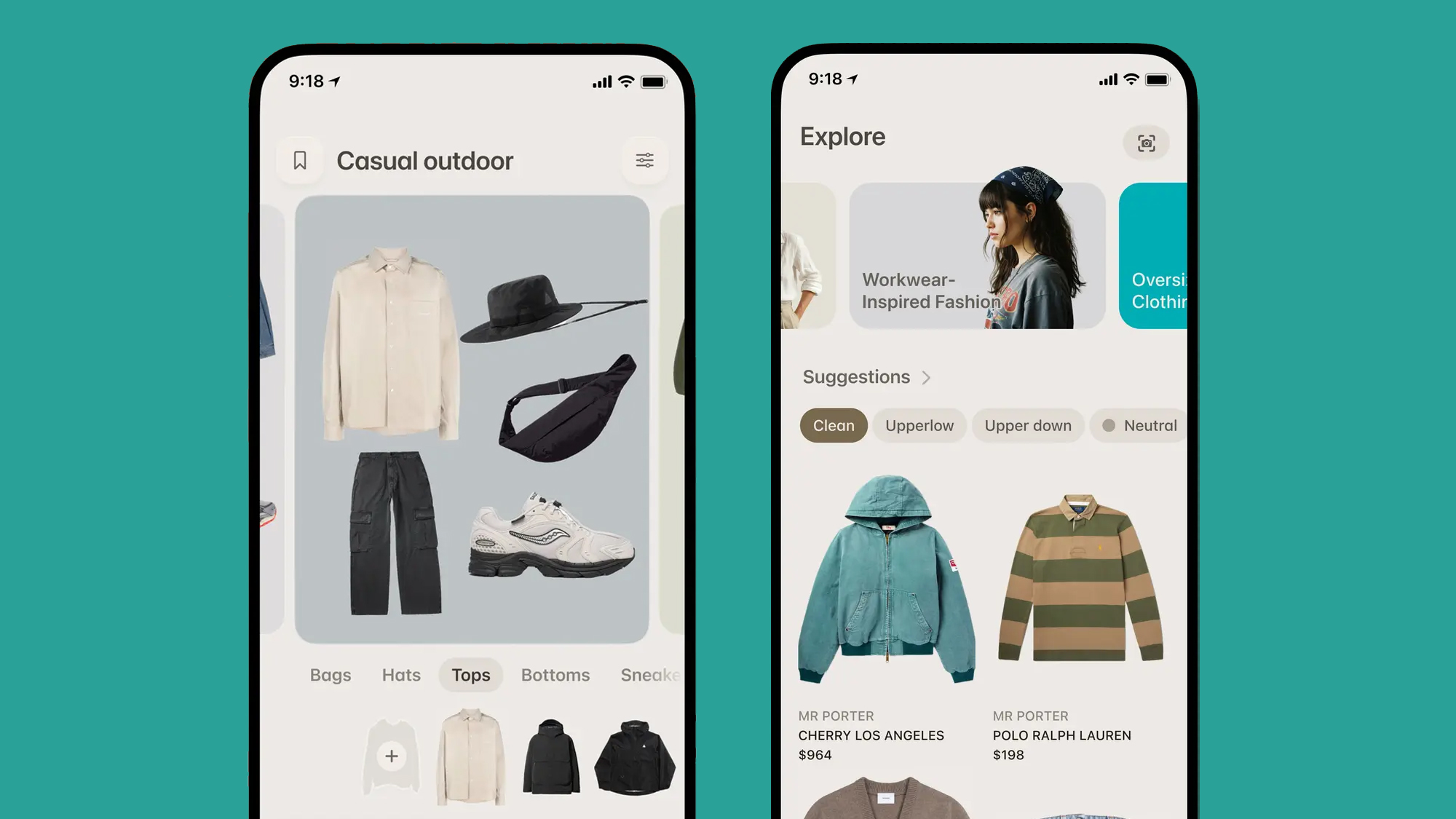
Aesty is an AI-powered fashion tool that can take images and descriptions of your wardrobe, and let you see how it looks on your face and body type. It doesn't leave things there, though, but builds full looks tailored to you and your plans. I’ve spent too many mornings rotating shirts and second-guessing pants. Aesty relieves a lot of that stress.
What makes it stand out from similar tools for virtual fashion shows like the one offered by Gemini is its visual intuition. The AI applies styling logic based on what’s physically in front of you. Aesty grounds its suggestions in what you actually own and how real outfits come together.
It can even analyze a selfie and suggest makeup or color palettes that match your natural tones. The app is free, though you have to pay for a subscription to unlock the planning and recommendation features.
- Try Aesty
3. Pine
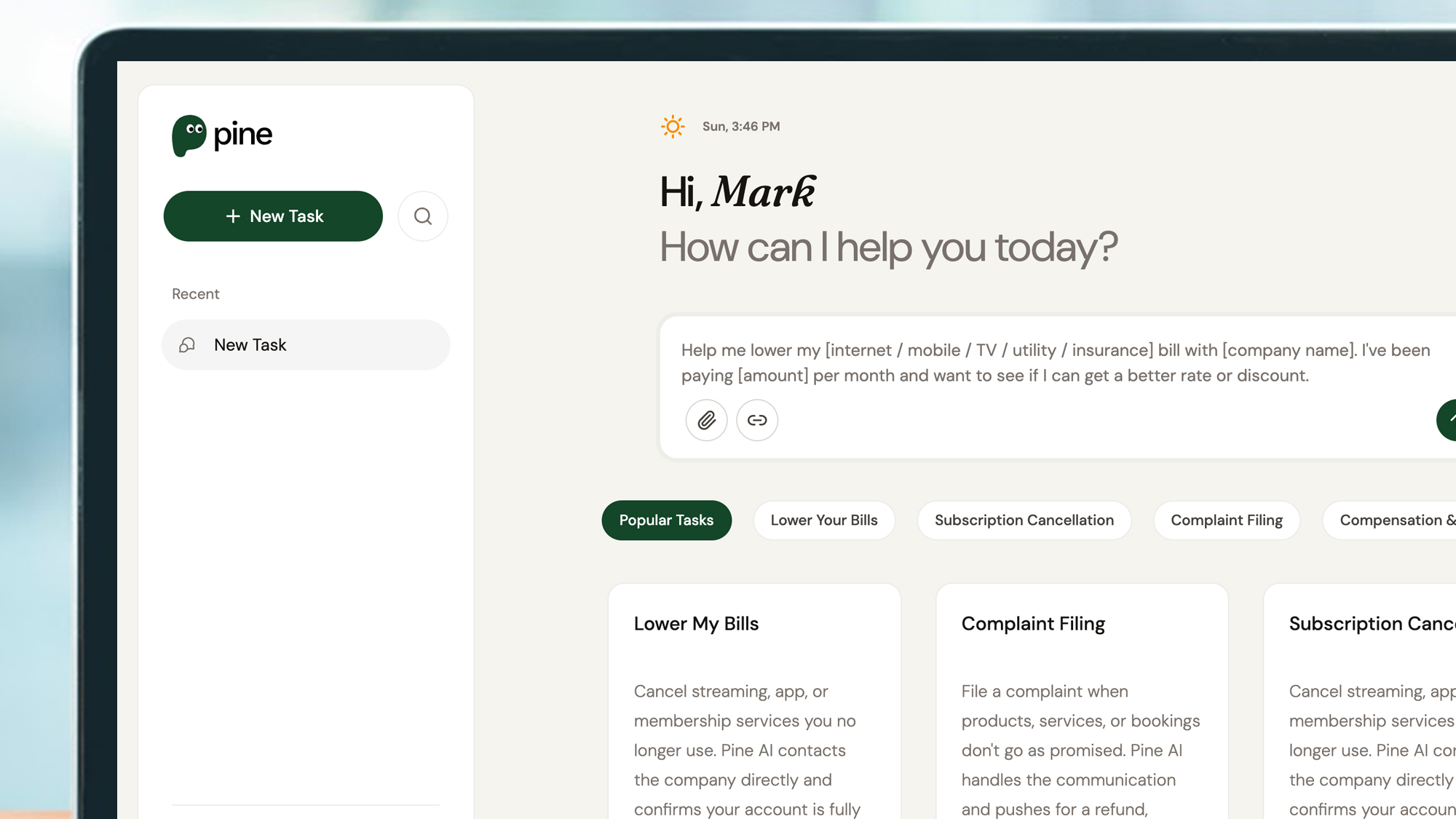
Pine is the AI equivalent of a friend who you can complain to about money issues, and is bold enough to confront people on your behalf to help you save cash.
The AI will actually email or call and cancel your Netflix or negotiate a lower internet bill. It can even appeal a denied health insurance claim, gathering documents, communicating with the doctors and insurance companies, and pushing the issue until it’s resolved.
Pine's AI model powers the fully autonomous assistant. While ChatGPT can suggest how to word a complaint or simulate a phone call, and Gemini can call some stores to check their inventory, Pine will take on the most daunting of tasks, including canceling your gym membership.
It’s like outsourcing frustration and wasted time. Pine operates on a tiered pricing model based on usage, with new users admitted via a waitlist.
- Try Pine
4. Papago
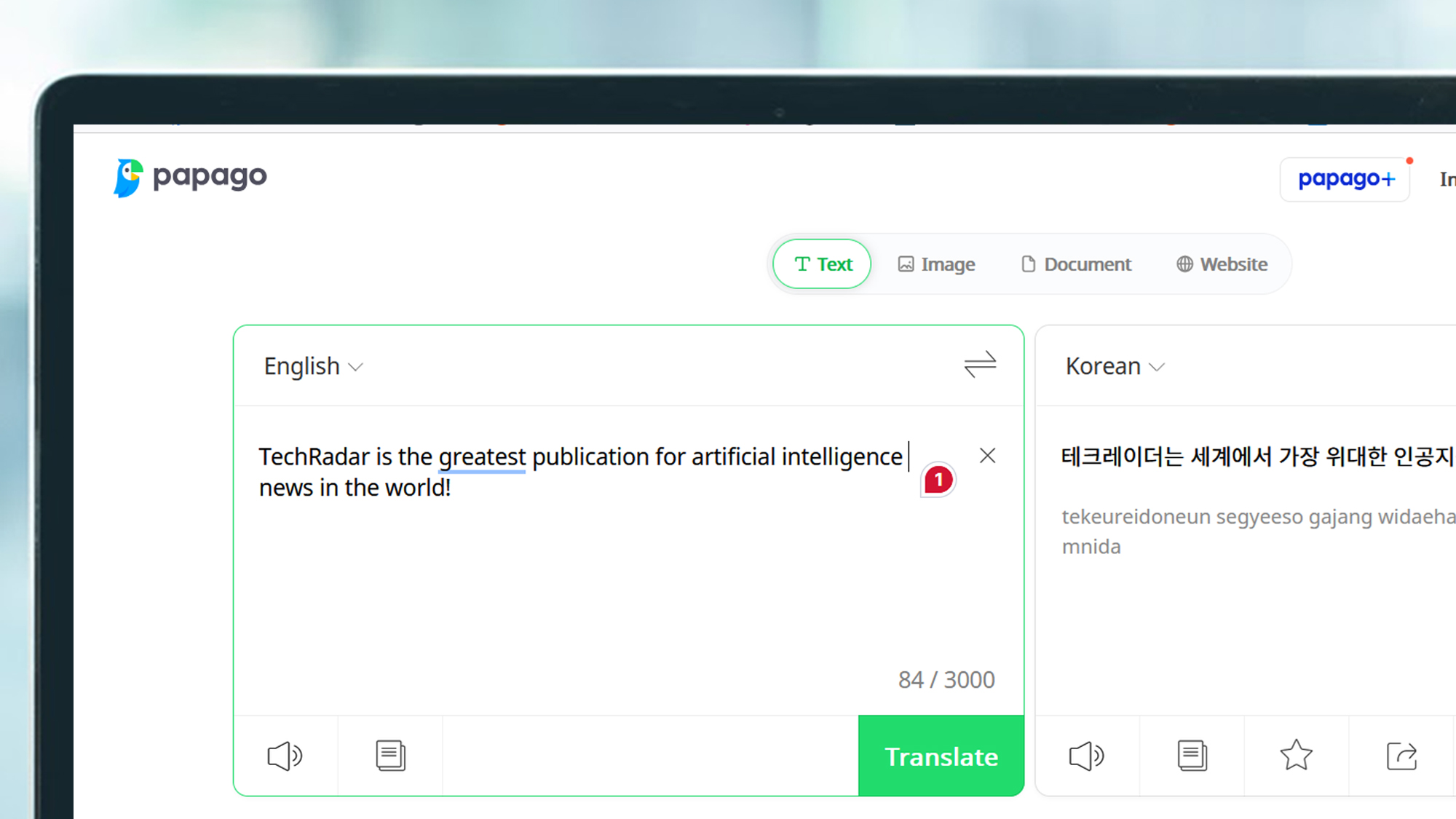
Papago is a translation app, but it's one that has earned a spot on my favorites list for how well it performs with nuance. The tool claims to be particularly good at parsing complex meaning, especially with Korean and other languages. According to Korean, Japanese, and Thai-speaking acquaintances, this is true.
Google Translate is fine in many cases, and ChatGPT has some multilingual capabilities, but big-name chatbots are known to occasionally miss the mark on tone, slang, or subtle cultural context. Papago knows when a phrase in Japanese is meant to be casual versus formal, and it understands the kind of layered meaning that can vanish in a literal Korean-to-English translation.
It’s become a go-to for me when I want to read something published in one of its supported languages because I feel I can trust it to get things right. Papago aims at clarity over flourishes, which is not a bad thing when explaining foreign words with complex undertones to someone who doesn't speak the same language.
- Try Papago
5. ChefGPT
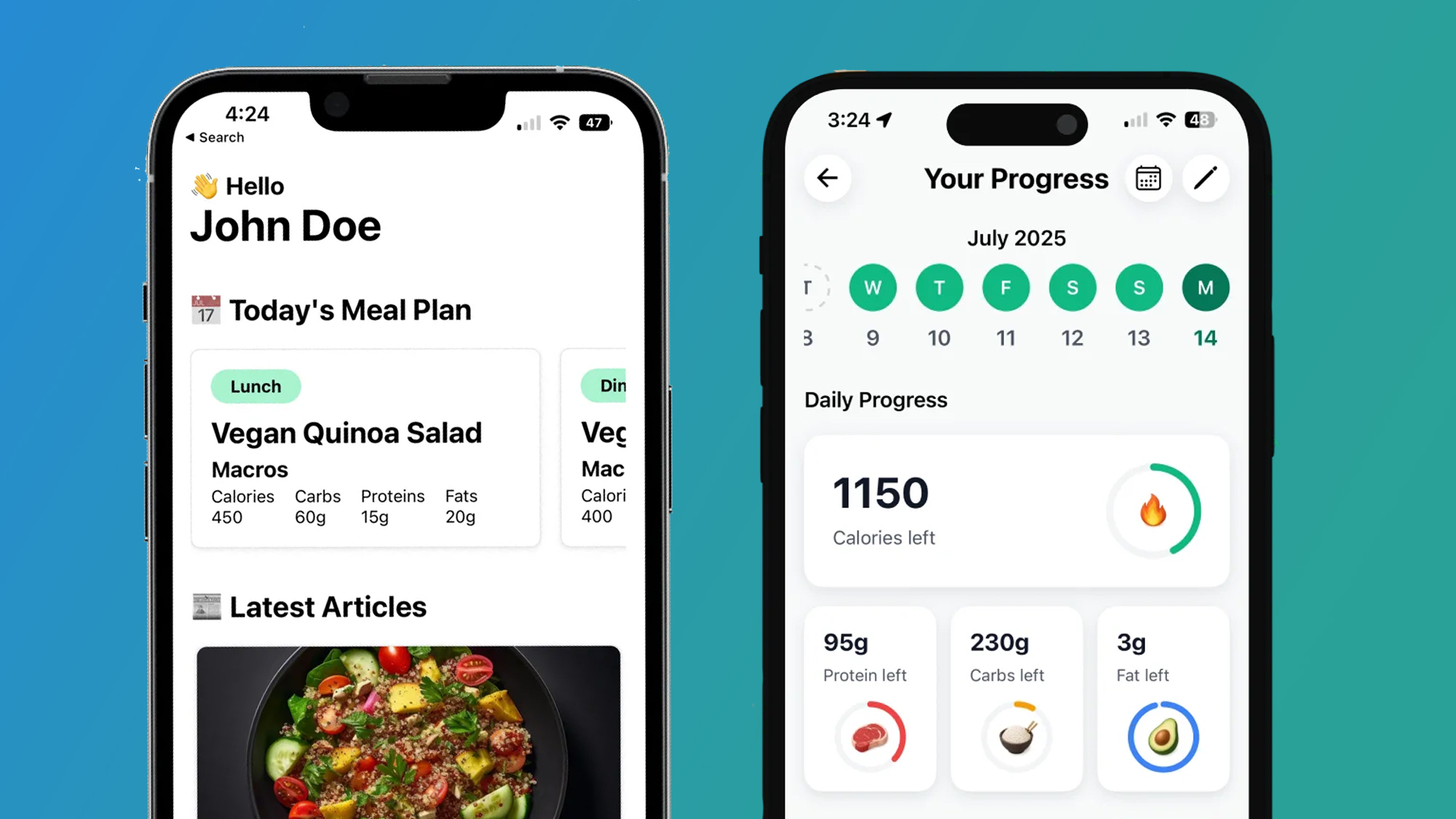
ChefGPT stands out by embracing the truth of constraints in cooking. You’re dealing with what’s in your fridge, how tired you are, and how much time you actually have. ChefGPT is tailored for real-world ingredients, cooking methods, and regional cuisines, with filters that keep the suggestions practical instead of poetic.
Where it really earns its keep is with image input. You can upload a photo of a finished dish to get a plausible recipe, or show it a picture of random fridge contents and get a meal plan that won’t make you roll your eyes.
It pulls from culinary databases, analyzes flavor profiles, and generates instructions with realistic timing. ChatGPT might be able to do some of those same things, but ChefGPT is frictionless enough to make ChatGPT or Gemini feel cumbersome and slow when getting them to do the same thing.
It solves a problem right when I’m least inclined to solve it myself, and that's very appealing. I want to snap a photo of my fridge and have dinner plans appear. There’s a free tier, and paid plans add more structure and control.
Follow TechRadar on Google News and add us as a preferred source to get our expert news, reviews, and opinion in your feeds. Make sure to click the Follow button!
And of course you can also follow TechRadar on TikTok for news, reviews, unboxings in video form, and get regular updates from us on WhatsApp too.



.png?mbid=social_retweet)



 English (US) ·