
 7 hours ago
7
7 hours ago
7
Even a budget-priced gaming mic can drastically improve your audio setup — and the best gaming mics start at just $60. While HyperX's newest budget-friendly contender, the SoloCast 2, isn't the most exciting mic on the market, it's pretty impressive for the price.
The SoloCast 2 is a standalone USB gaming microphone with a cardioid polar pattern and a condenser capsule that records at 24-bit / 96 kHz. While its specs aren't wildly different from those of the original SoloCast, it has a brand-new build that feels much sturdier, features a clever built-in stand, and adds a large tap-to-mute button on top. Not bad for $60 (available now, in black).
Design of the SoloCast 2
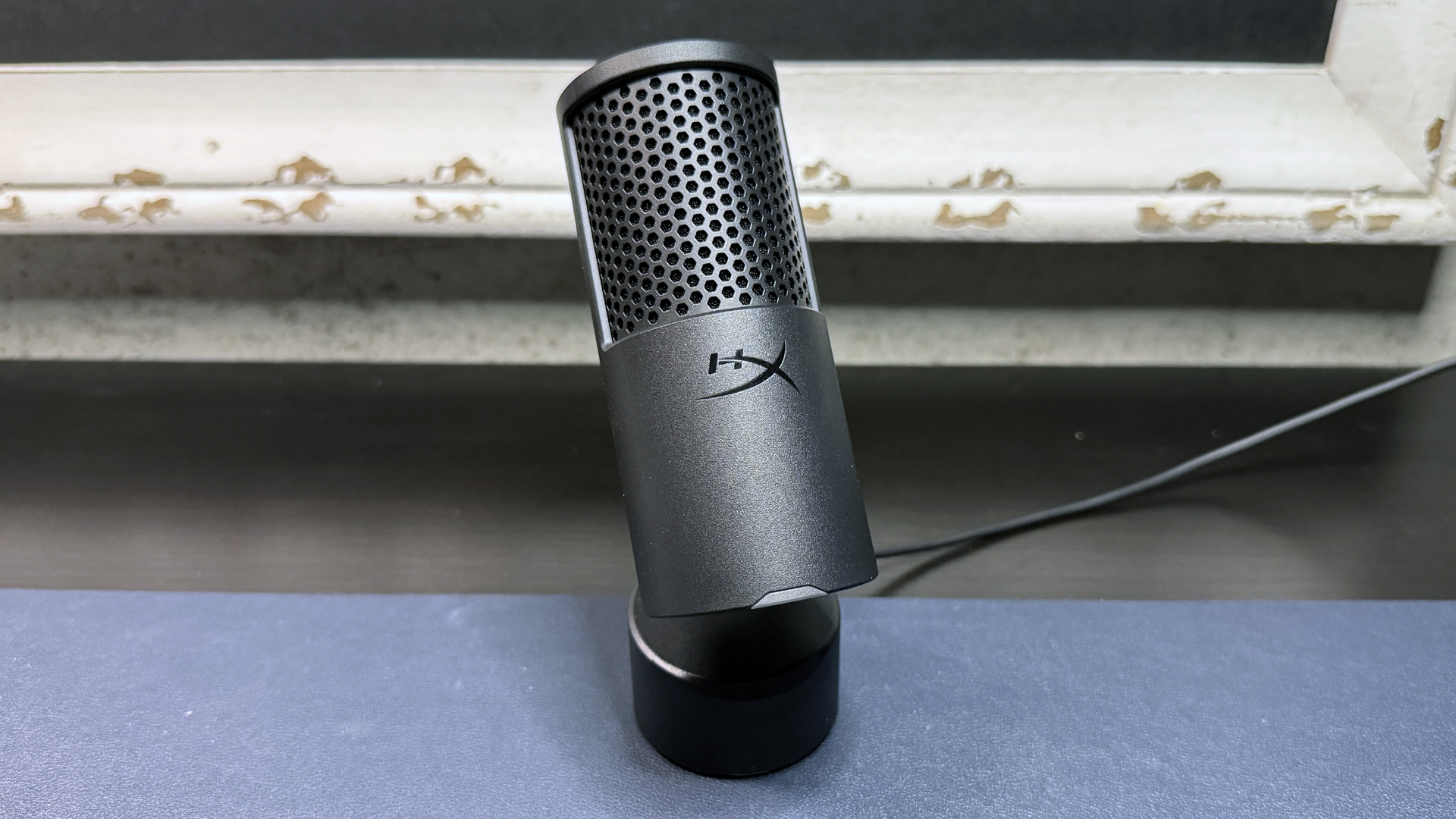
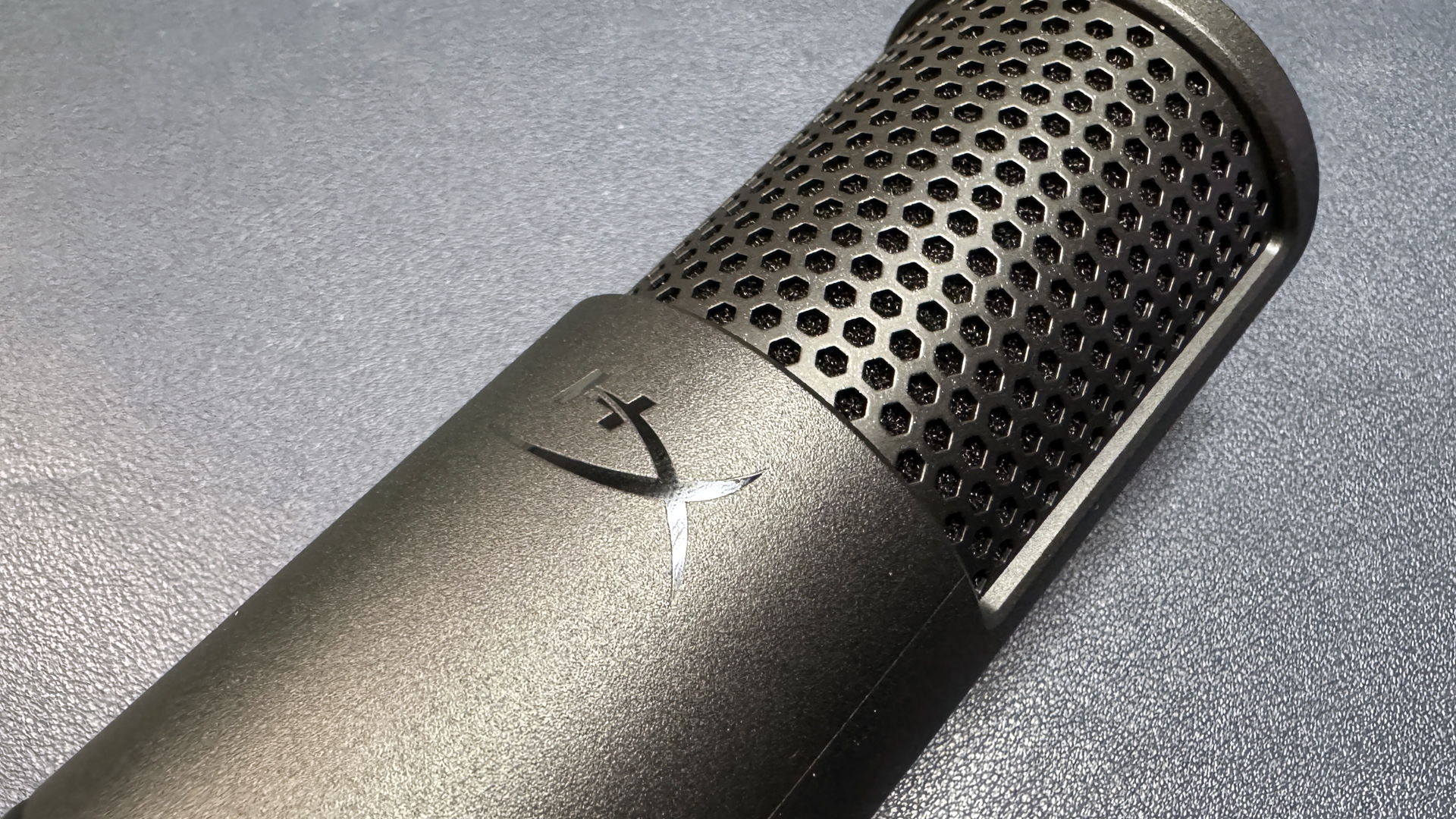
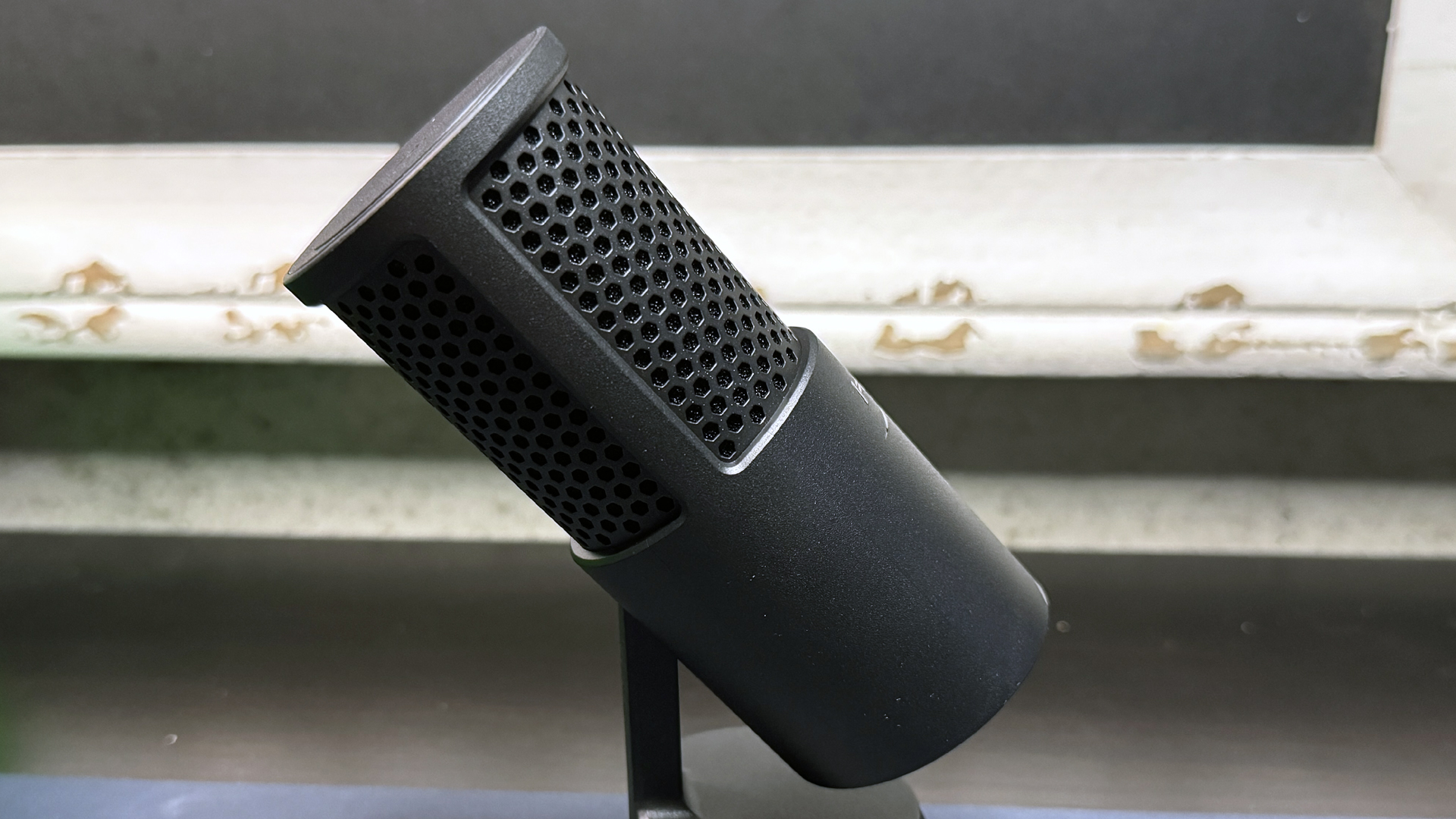
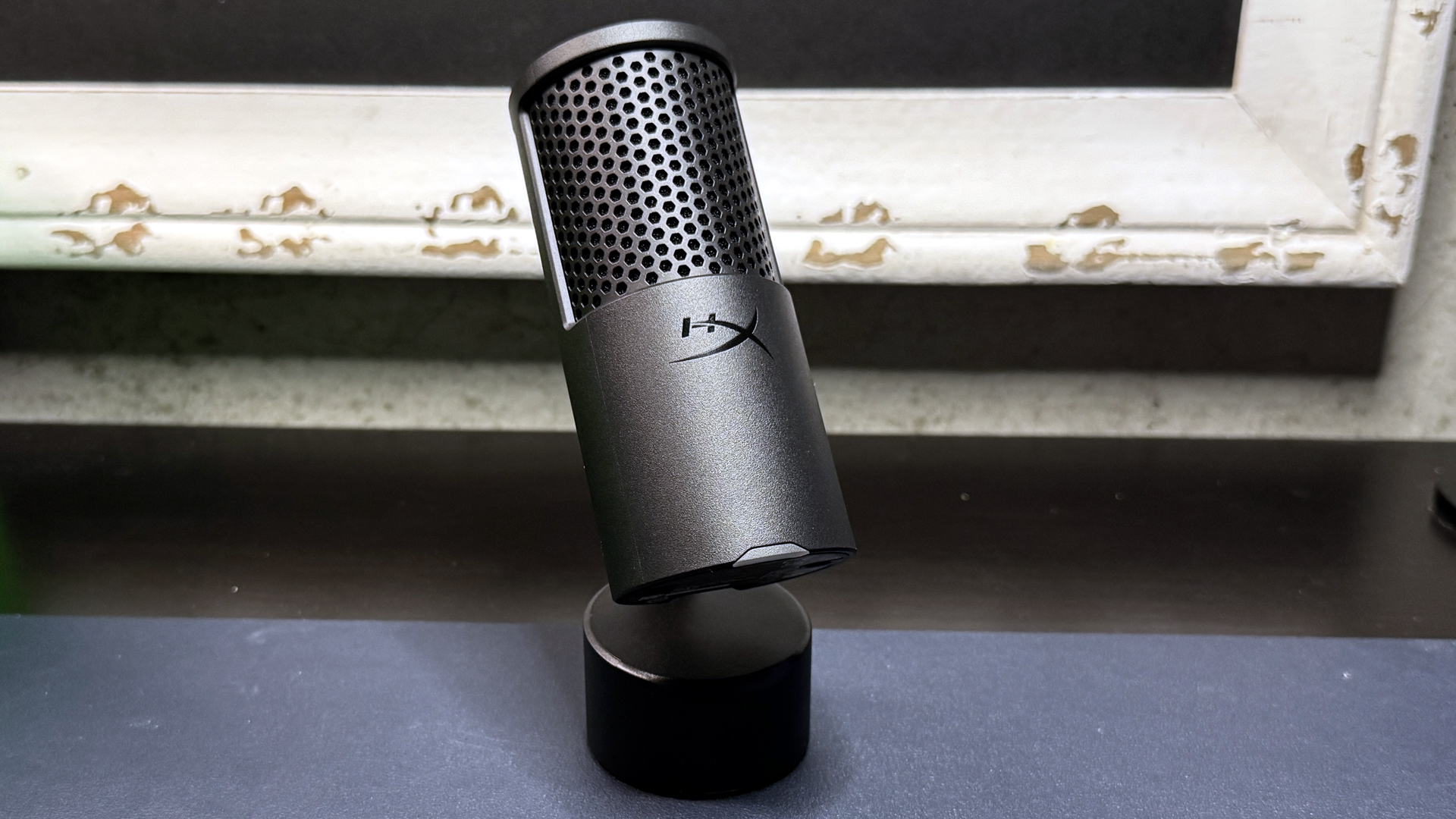
While the original SoloCast looked like a pretty traditional condenser microphone, the SoloCast 2 is a sleek, solid black cylinder with a novel built-in stand. HyperX's second-generation budget-friendly USB microphone is a pretty neat-looking update: the mic is housed in a matte-black plastic chassis that measures 6 inches (152.4mm) long by 2.08 inches (53mm) in diameter. The upper half of the cylinder features a matte black metal grille with HyperX's signature honeycomb pattern. Under this grille, there's a foam pop filter and an internal shock mount — the 14mm electret condenser capsule is suspended inside the chassis to prevent any interference from desk vibrations (as it is, after all, a desktop microphone).
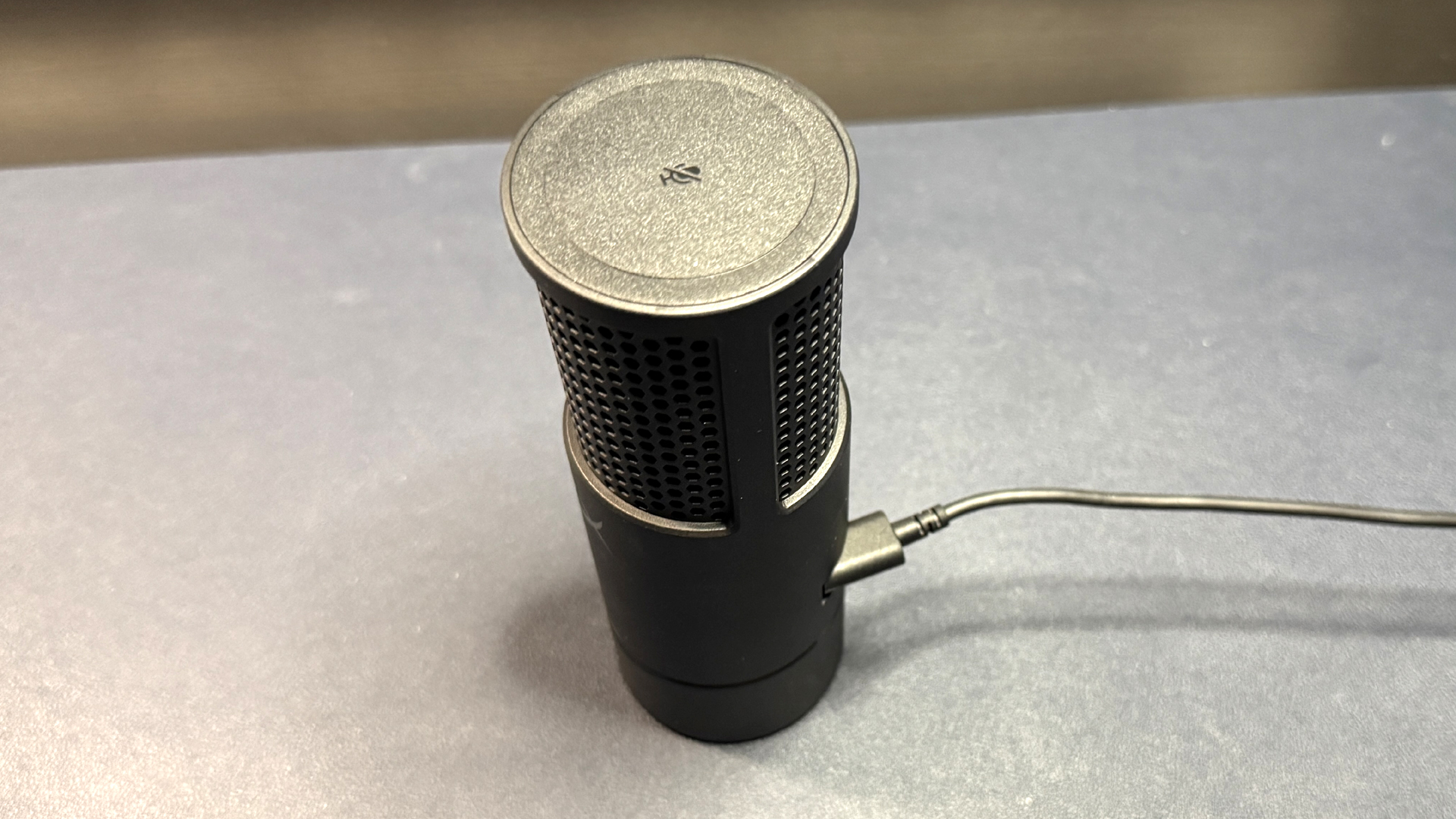
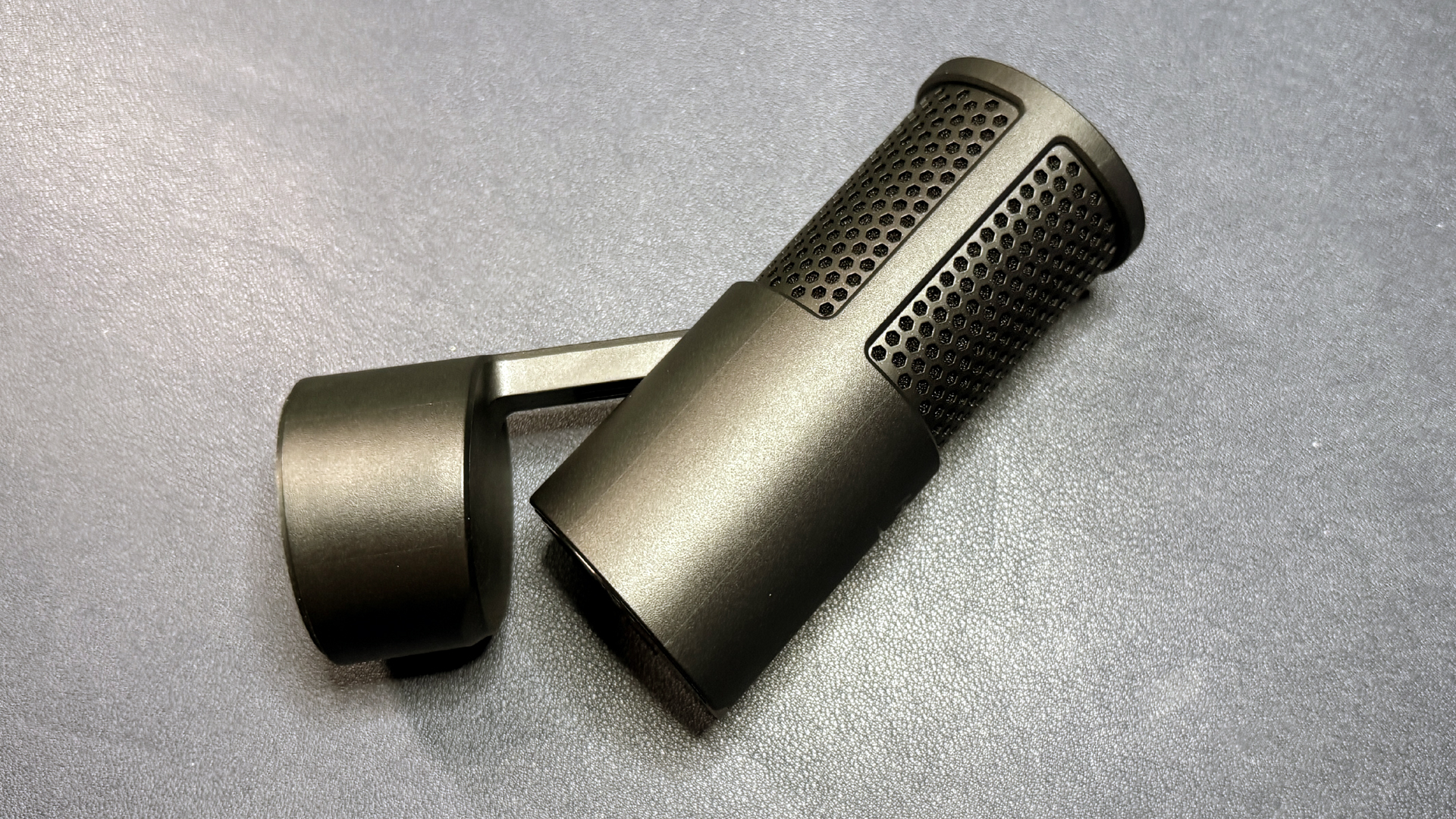
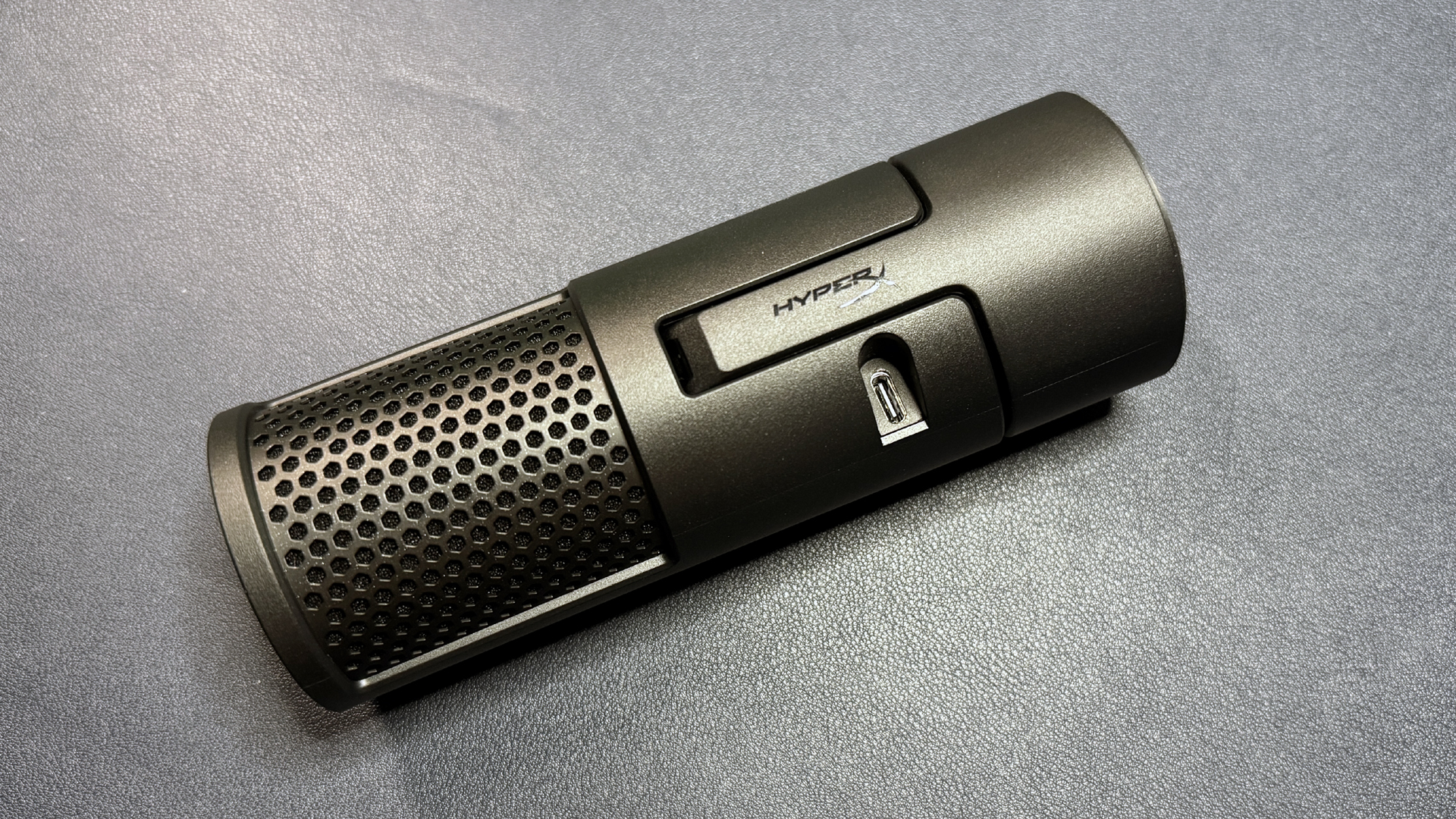
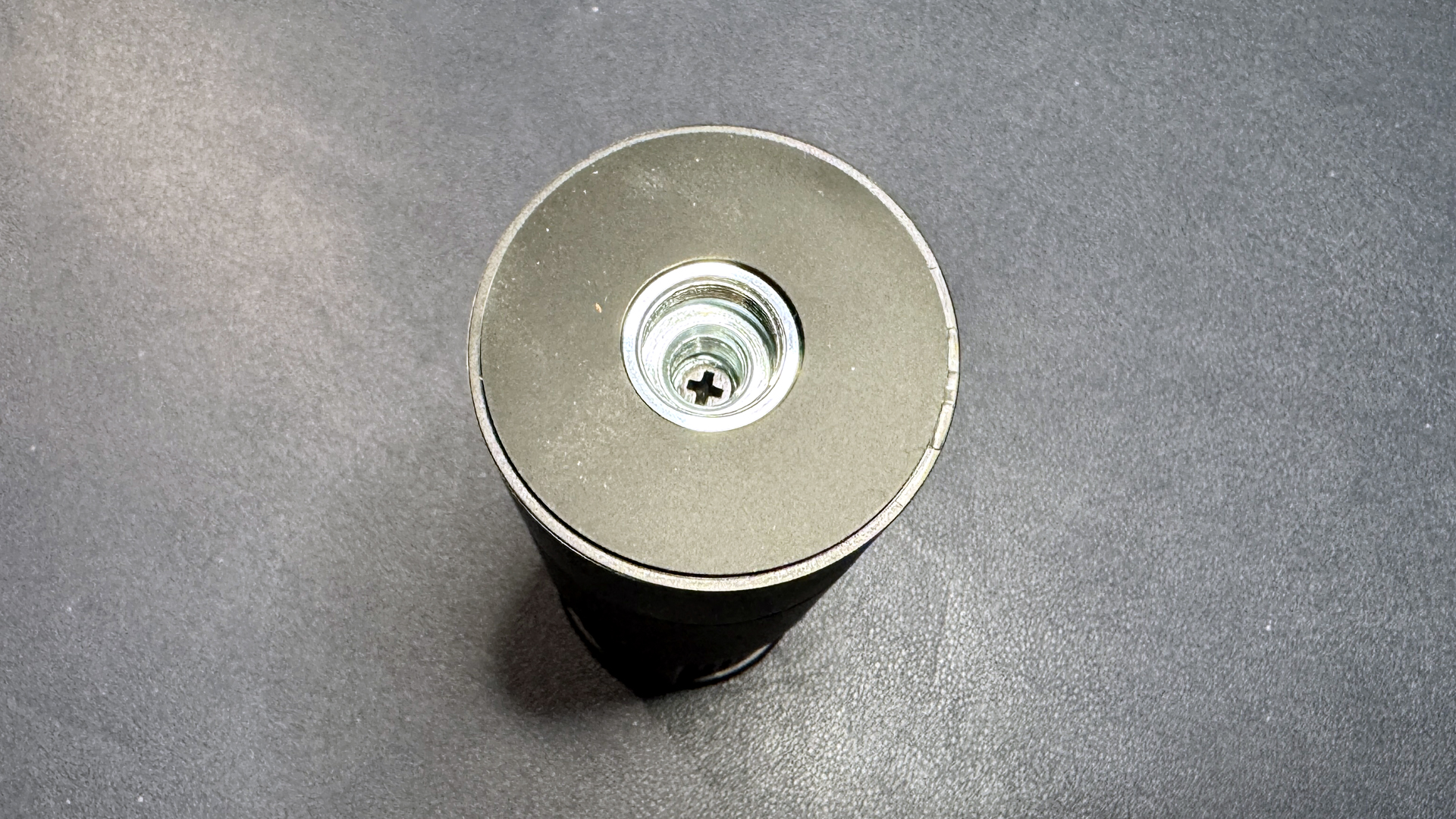
The SoloCast 2 might look like a solid cylinder, but it's actually got a unique, integrated desktop stand. There's a hinge at the back of the cylinder that lets you tilt the microphone back 40 degrees — angling it so it's directed at your face, if you're sitting at a desk. That stand part of the cylinder is nice and hefty — the full unit weighs about 12.9 ounces (365.7g), and the bottom is lined with non-skid rubber material just to guarantee the mic isn't slipping around your desk.
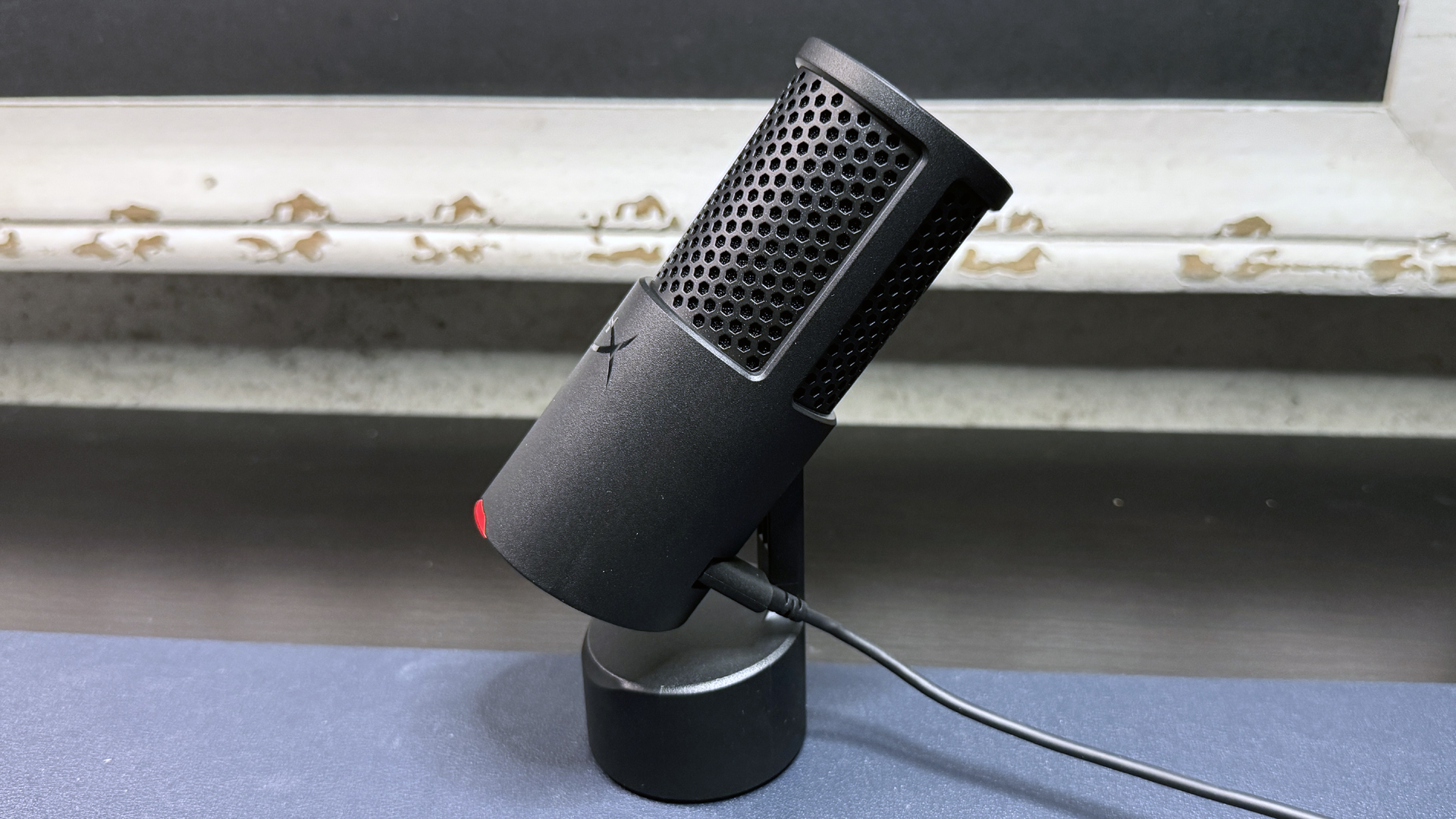
There's a bright red indicator light at the bottom of the mic (tilting the mic up also angles this light toward your face, so you won't miss it) that tells you whether the mic is muted or recording. It's red when the mic is recording, which threw me off... quite a bit, honestly, as many gaming microphones with RGB lighting default to red when they're muted. I realize that red for recording makes sense, and that red is HyperX's color, and that this is an issue most users will not have. But, still.
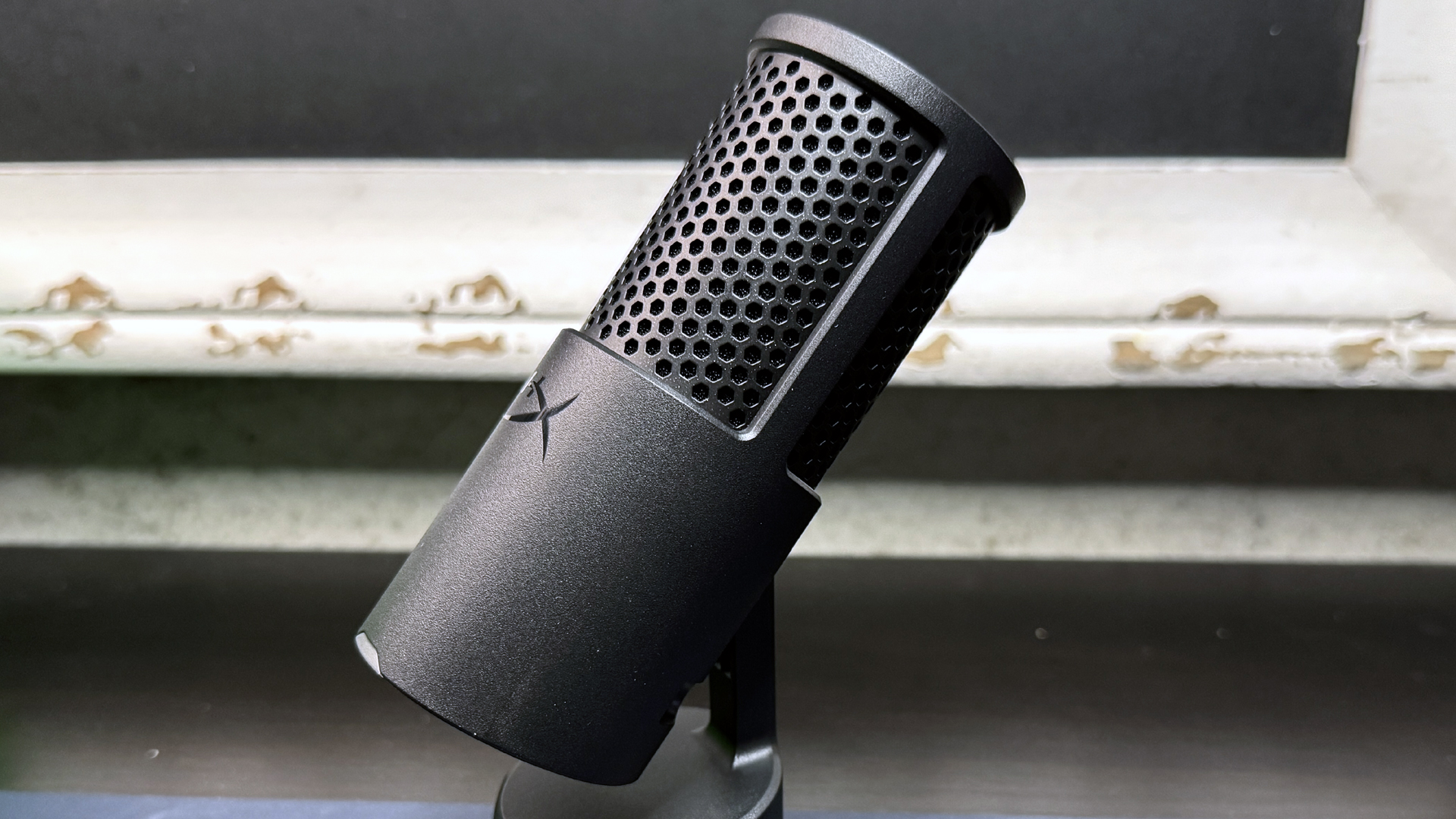
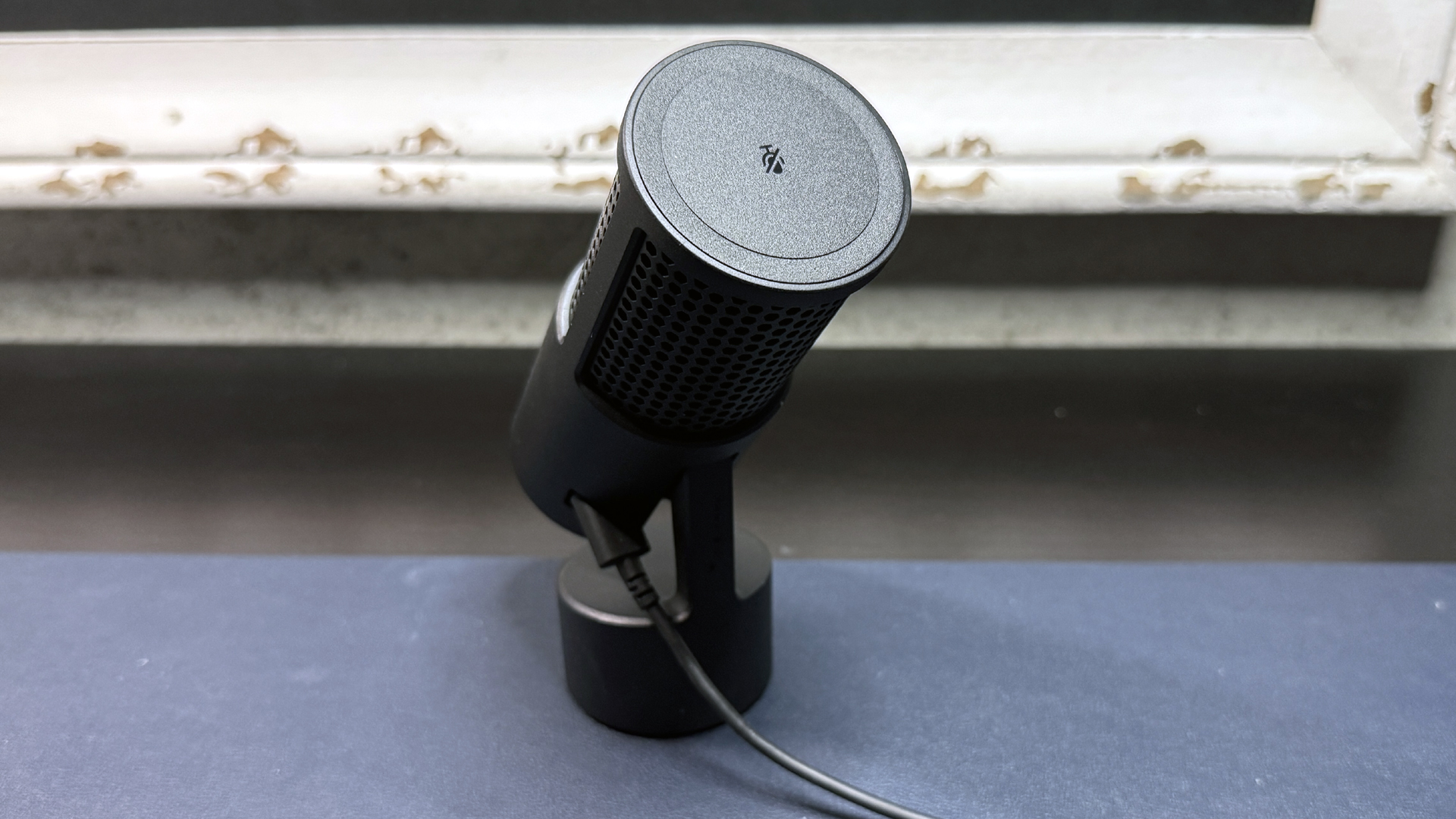
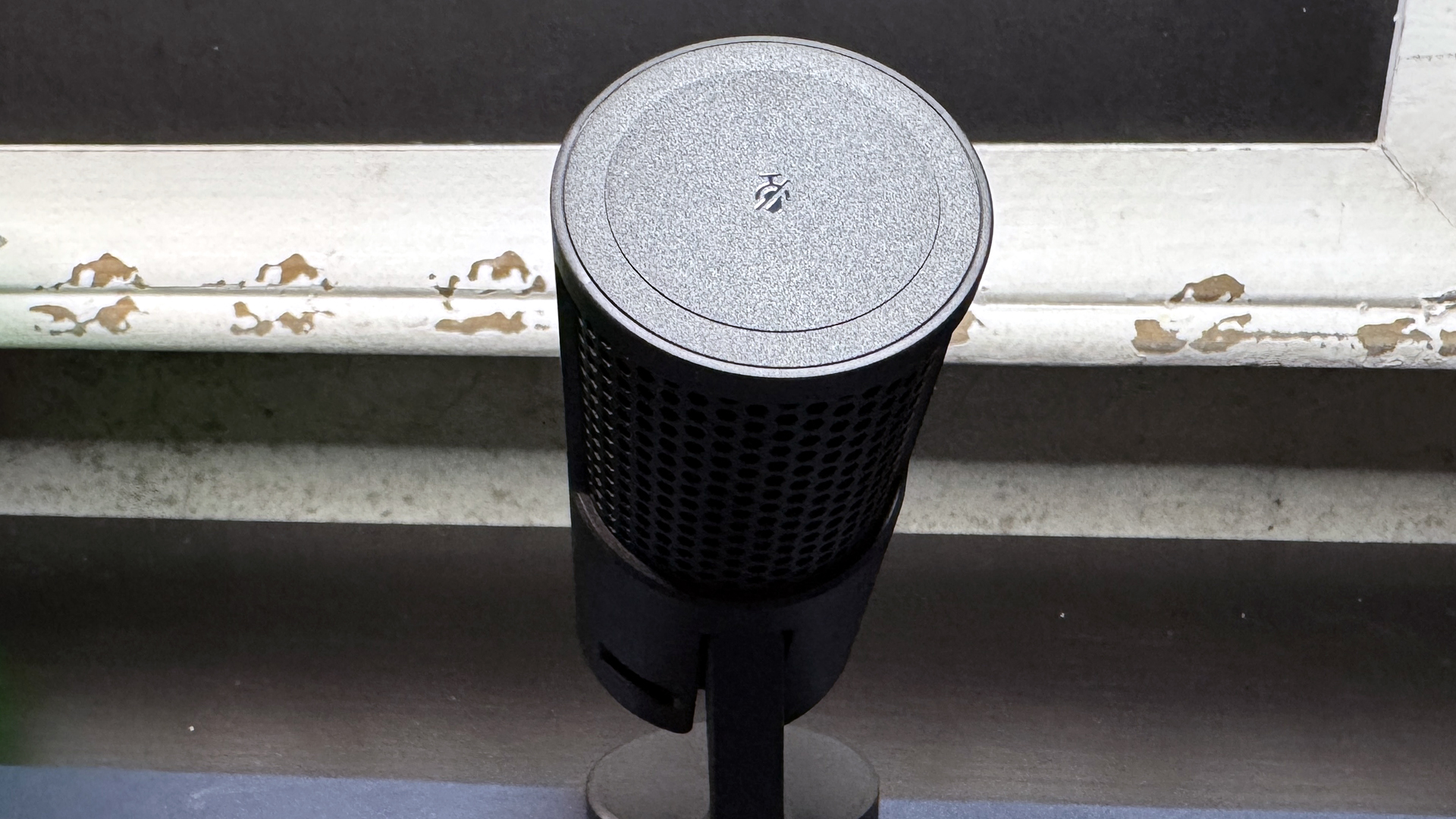
Aside from its neat little built-in stand, the SoloCast 2 is pretty simple. There's a large, flat, tap-to-mute surface on the top of the mic — I'd expect nothing less from HyperX, as this is definitely my favorite feature, and there's a USB-C port on the back of the mic, near the hinge. On the bottom, there's a mounting point that's compatible with both 3/8" and 5/8" threaded mounts, so you can fold the microphone up and mount it — stand and all — on a boom arm or mic stand.
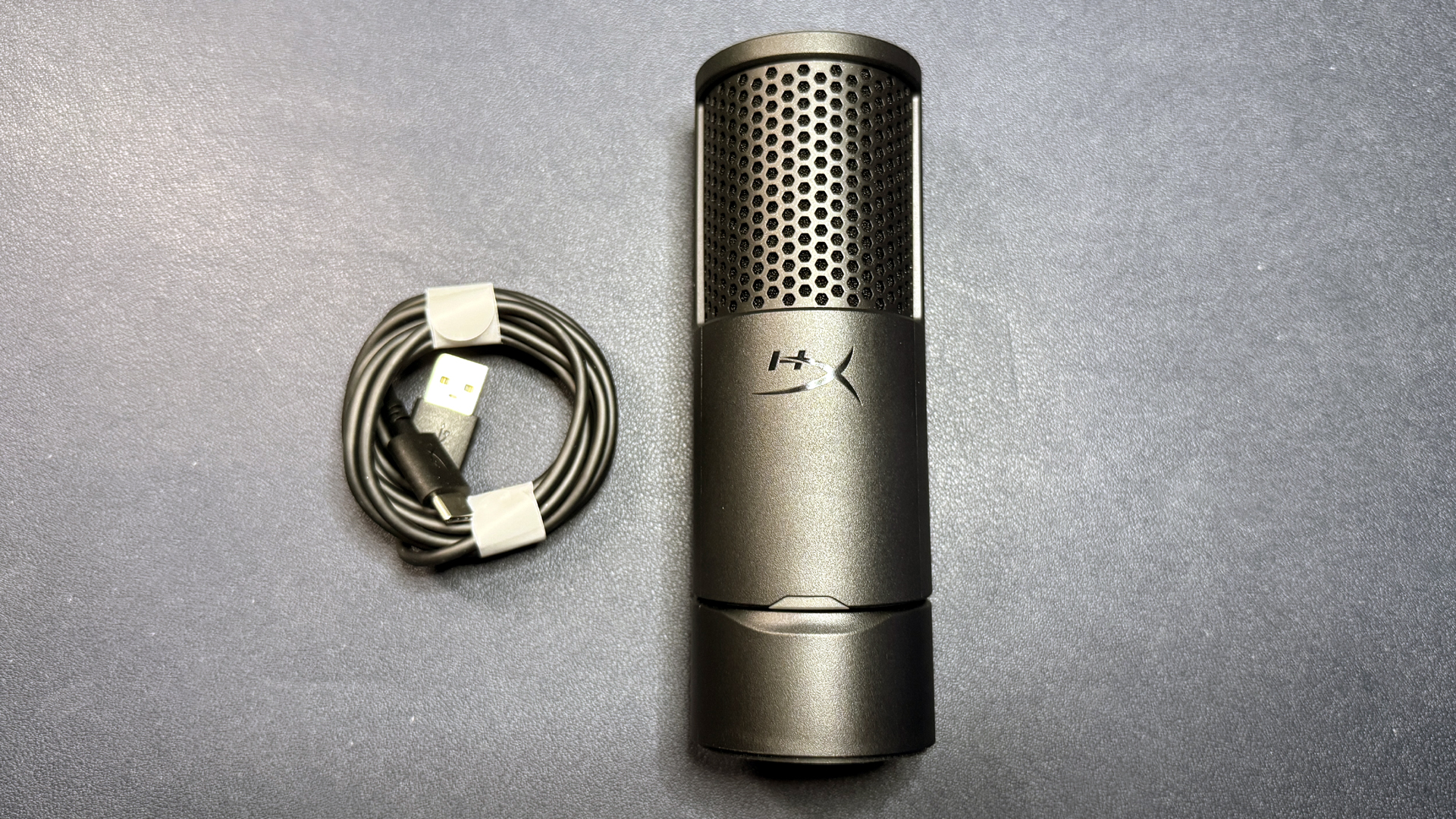
The SoloCast 2 is a simple, straightforward mic with a built-in stand, so it includes only one accessory in the box — a 6.5-foot (2m) USB-C to USB-A cable.
Performance
The SoloCast 2 records sound at a high-res 24-bit / 96 kHz bit-depth / sample rate (recording studio level), but so does the original SoloCast thanks to a firmware update HyperX pushed out in 2022. Like the original SoloCast, the SoloCast 2 has a cardioid polar pattern — perfect for one speaker located directly in front of the mic.
This is essentially a plug-n-play mic, and it sounds pretty good out of the box. Vocals sound full and rounded, though not quite as clean as they sound on the Logitech Yeti Orb. My voice had a decent amount of depth and detail in both recordings and streams, and the mic also offers a nice proximity effect (though the built-in stand is too low for this to be comfortable). The SoloCast 2 has a built-in internal shock mount and pop filter, but they're both on the weaker side: the mic picked up both desk movement and plosives very, very easily in my testing. In other words, we definitely recommend mounting this mic on a boom arm.
The mic does pick up a lot of background noise — my fans were ever-present in my testing, but vocals still came across strong and clear. There are some settings you can tweak in HyperX's Ngenuity Beta software that work pretty well to reduce noise and clean up the sound in general, but that has its own issues. However, mounting the mic on a boom arm did a lot to at least reduce any noise from desk movement and typing.
Specs
Swipe to scroll horizontally
Capsule Type | 14mm electret condenser |
Frequency Response | 20 - 20,000 Hz |
Polar Pattern | cardioid |
Sensitivity | -7.8±3 dB (1 V/Pa at 1 kHz) |
Resolution and Sample Rate | 24-bit / 96 kHz |
Connectivity | USB-C |
Adjustable Gain | Software |
Software | HyperX Ngenuity |
Dimensions (L x W) | 6 x 2.08 inches / 152.4 x 53 mm |
Weight | 12.9oz / 365.7g |
MSRP / Price at Time of Review | $59.99 |
Release Date | Aug. 2025 |
Features and Software
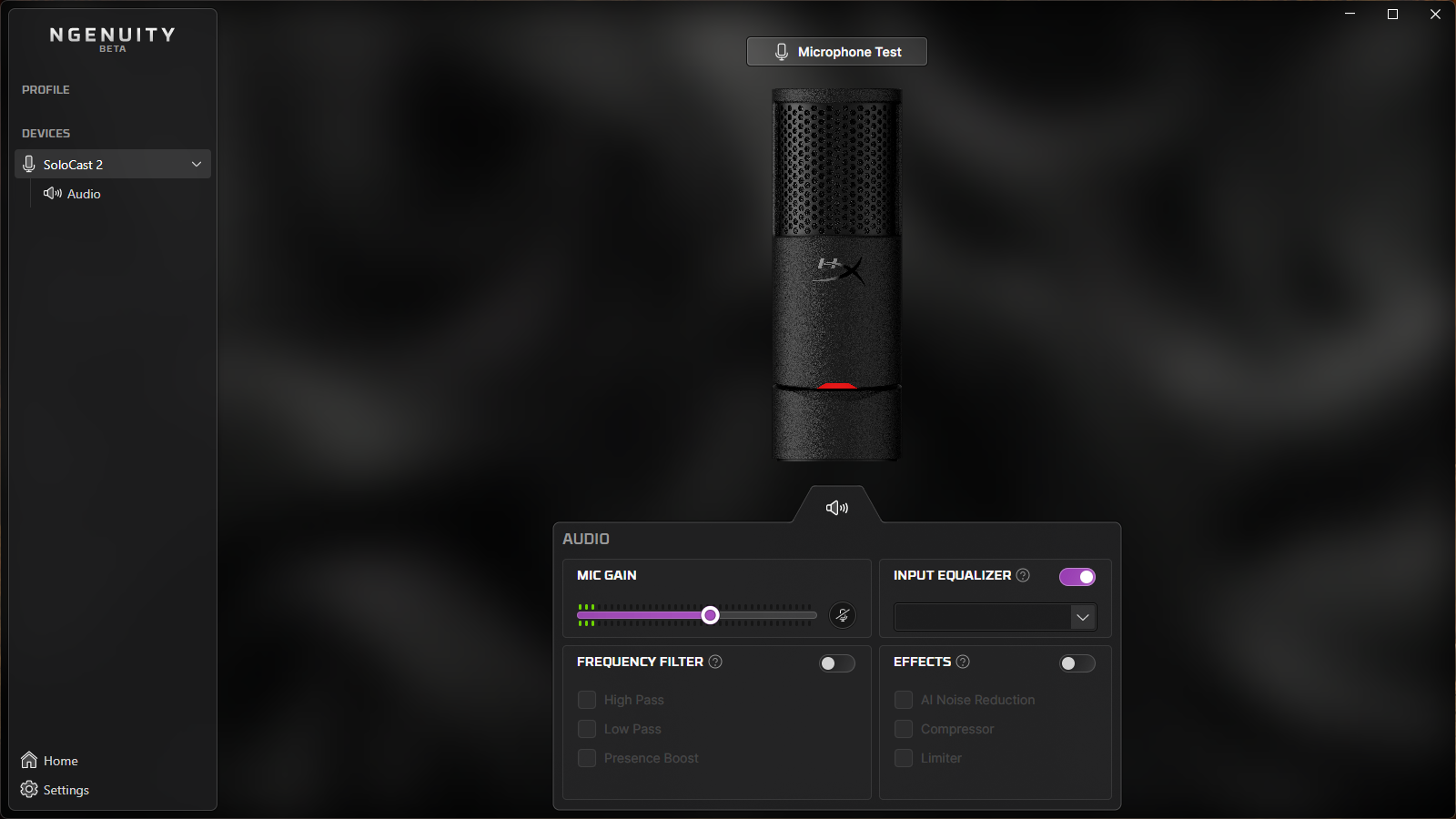
The SoloCast 2 works with HyperX's Ngenuity Beta software, which gives you a handful of options for adjusting the mic's tone. This is where you can adjust the mic's gain (there's no on-mic gain control, unfortunately), and turn on a handful of software-based improvements, such as high / low pass filters and AI noise reduction.
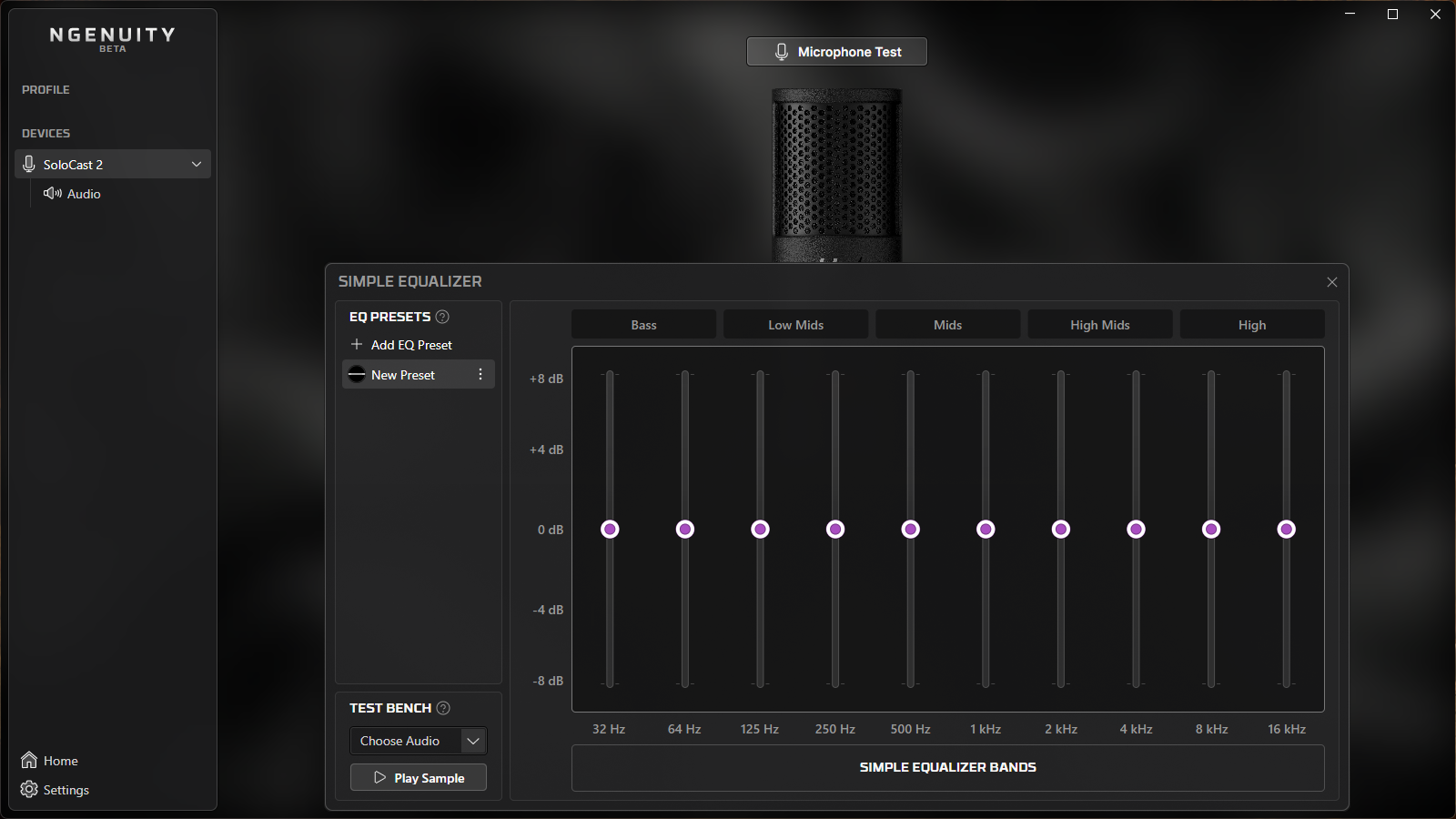
You can also adjust the mic's sound using a simple 10-band equalizer. You can add and save as many EQ presets as you want; the software doesn't come with any built-in presets.
It's important to point out that the Ngenuity Beta software is definitely still in beta. The settings do not save to the microphone; they don't even save to the software. So the frequency filters, noise reduction, and EQ will only work when the software is running. (The software does save EQ presets, but you'll need to turn the EQ on and select the preset every time you open it.) I assume this will be fixed at some point, but there's no timeline at the moment.
Bottom Line
The SoloCast 2 isn't the most exciting microphone on the market, but it's pretty impressive for $60. It's a solid follow-up to HyperX's original SoloCast, with a much sturdier build and a tap-to-mute button that the original was definitely lacking. At $60, it's the same price as the Logitech Yeti Orb (the Yeti Orb debuted at $60 in 2023 and received a price increase to $70, but is currently back at $60 on sale). While I do like the Yeti Orb's out-of-the-box sound better, the SoloCast 2's tap-to-mute is a much more convenient feature — especially as the Yeti Orb has no on-mic controls. Assuming you're using this mic for more casual chatting with friends, teammates, and coworkers, this is likely to be pretty essential (so long as you remember that red means recording).




 English (US) ·