
 5 hours ago
5
5 hours ago
5
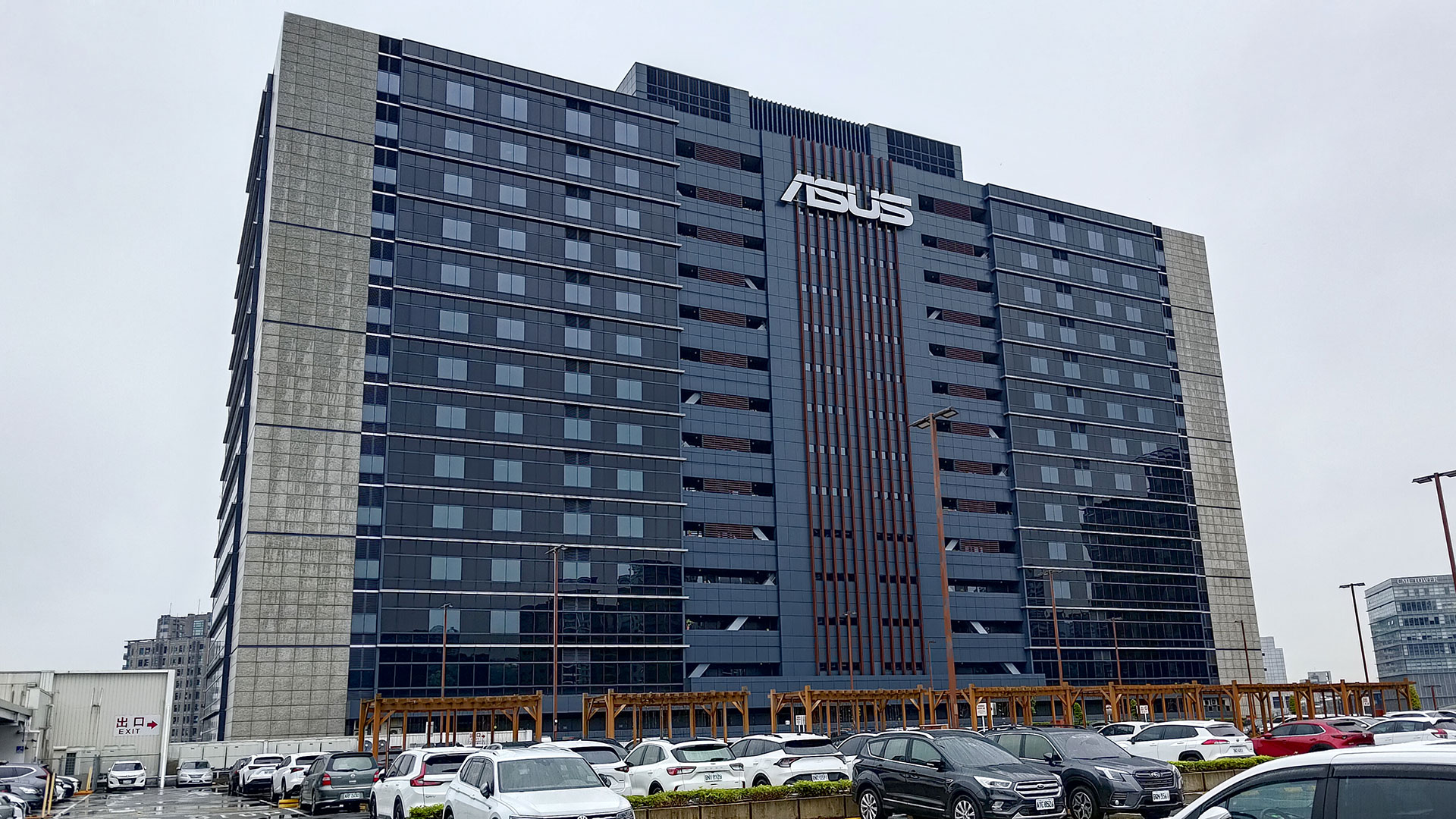
This current memory shortage is intense. Spot prices for DDR5 DRAM ICs have quadrupled, and retail prices are often even higher. The desire for some new manufacturer to come along and 'save' the market from the worst excesses of the AI bubble is completely understandable. Still, certain reports in the tech media beggar belief, and one such widely disseminated story has prompted Taiwanese state media outlet CNA to go right to the supposed actor for an answer: "no."
Said actor is Asus, and the rumor was that the heavily diversified tech vendor would enter the memory manufacturing market in response to the ongoing shortage. It does make a certain kind of sense; Asus needs a lot of DRAM for its products, and producing its own might save a lot of money in the long term. The problem with this reasoning is that shortages don't last forever, and for Asus to set up its own memory production lines would take an absolute minimum of two years, and that's if the company had existing memory IP and decades of experience manufacturing DRAM, which it doesn't. The original report claimed that the Taiwanese tech vendor would start shipping RAM in the second half of next year, which is an impossible timeline.
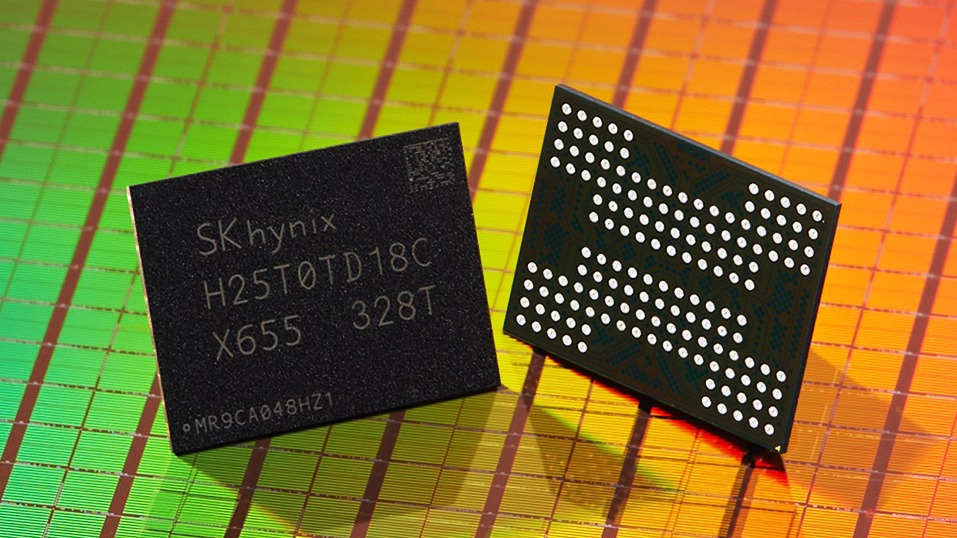
This rumor seems to originate from the Iranian publication SakhtAfzar, which provides no sources for the claim beyond "proprietary and reliable reports" (via Google Translate). SakhtAfzar has had legitimate leaks in the past; the site was the first to share the specifications of AMD's Ryzen 8000G series of desktop APUs. This particular post seems to largely be wishful thinking, though. We say that not only because of the post's content (which seems to conflate memory modules with memory ICs), but also because Asus has directly denied the report.
Speaking to Taiwan's Central News Agency, Asus denied the report, specifically stating that it has "no plans to invest in a memory wafer fab." The CNA report is short and a little terse, but Asus' response continues, saying that it will "deepen its cooperative relationship with memory suppliers, and respond to market supply and demand conditions by adjusting product specifications and optimizing product life cycles." In other words, the same sensible thing every other vendor is doing.
Reports from industry sources have ranged from optimistic to apocalyptic, with estimates for an easing of the memory market crunch ranging from the second half of 2026 until mid-2028 or even later. Controversially, memory vendors are not racing to increase production, instead enjoying unusually high margins in a market that is usually treated like a commodity. None of that is comforting to computing enthusiasts simply looking to part out their latest PC build, though.

Follow Tom's Hardware on Google News, or add us as a preferred source, to get our latest news, analysis, & reviews in your feeds.



 English (US) ·